Last Updated on February 24, 2026
Knowing how long do pots and pans last can make a big difference—not just in your cooking experience but also in your wallet. Pots and pans typically last for several years with proper care and use. After all, investing in cookware is about efficiency, delicious meals, and getting the most out of your money. Understanding the lifespan of your kitchen essentials is crucial for maintaining efficiency and safety.
But the truth is, not all cookware is created equal. The lifespan of your pots and pans depends heavily on factors like the material they’re made of, how frequently you use them, and the care you provide.
This guide will explore what impacts cookware longevity and how to recognize when it’s finally time for a replacement.
Table of Contents
Lifespan of Different Types of Cookware
When shopping for cookware, it’s easy to assume everything will last forever, especially if you invest in quality pieces. But the reality is, each material comes with its clock. Knowing what to expect helps you make smarter purchases and prevents kitchen disasters down the road. Let’s break down how long different pots and pans typically last:
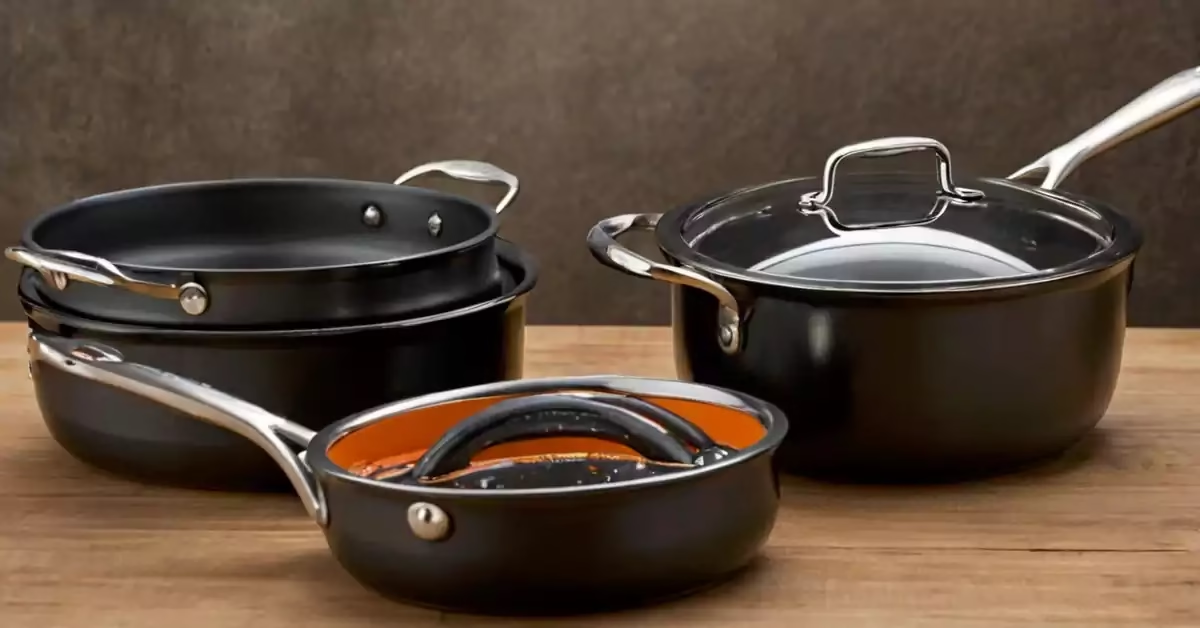
Nonstick Cookware (3-5 years)
Nonstick pans are kitchen favorites because they’re convenient and easy to clean. However, their slick coating is also their weak point—it gradually wears down, especially with regular use or rough handling. On average, you can expect about 3 to 5 years from a nonstick pan. Once the surface begins peeling or scratching or food sticking consistently, it’s time to replace.
Check the latest prices and deals on budget-friendly, non-stick cookware.
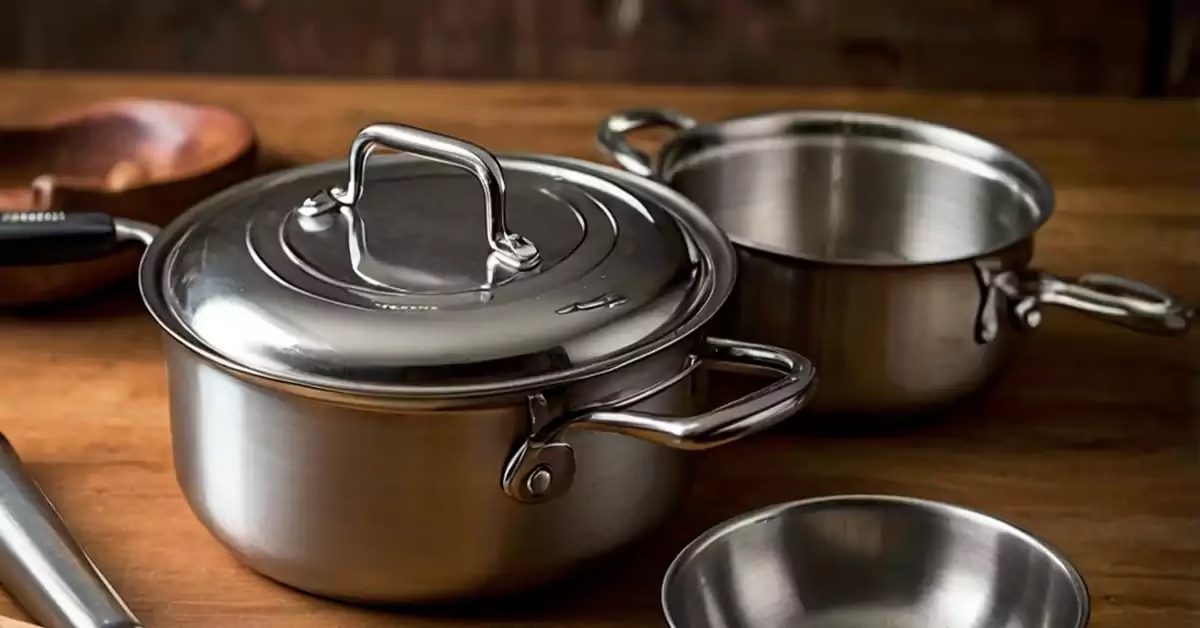
Stainless Steel Cookware (10+ years)
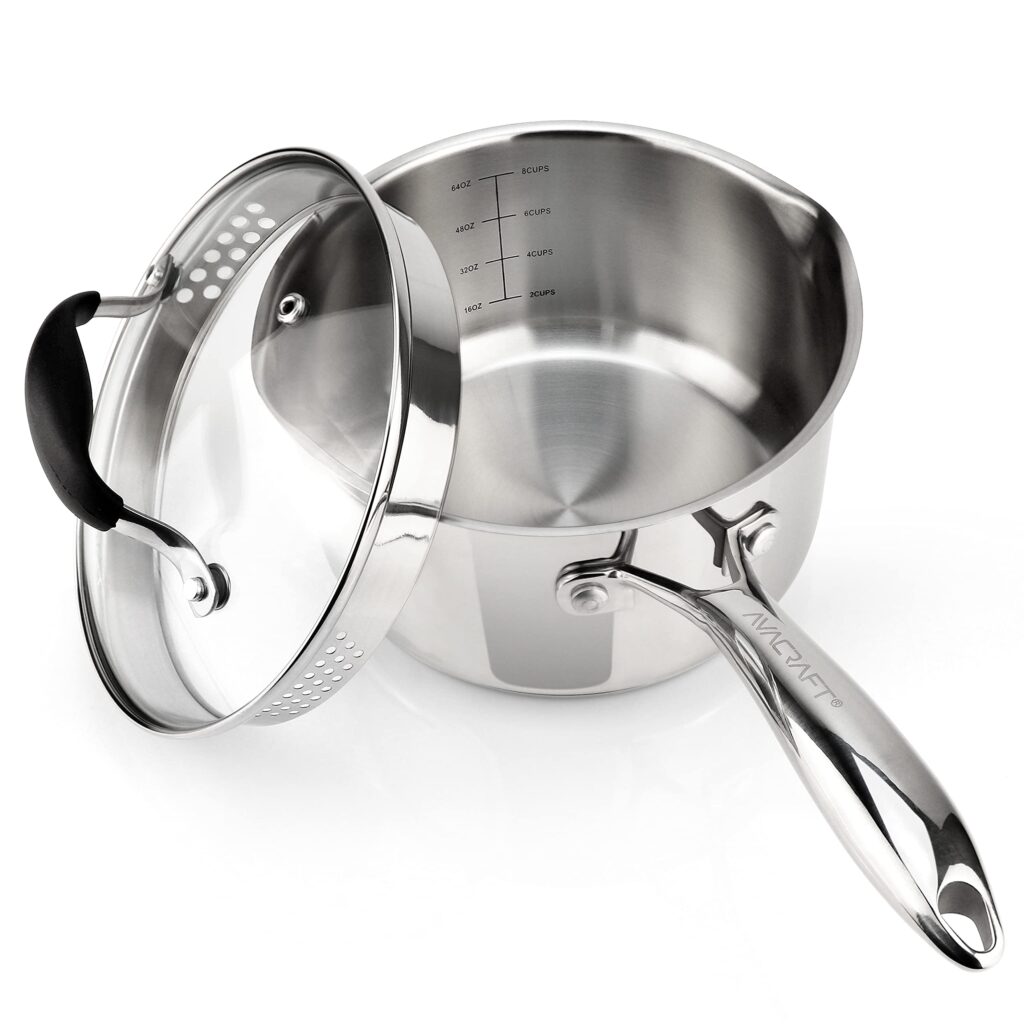
Stainless steel pots and pans are the real workhorses of any kitchen, known for durability and resistance to rust and staining. If you take good care of them—avoiding extreme heat, harsh cleaning chemicals, and heavy abrasives—they can easily last over a decade, even a lifetime. Dents or warping are usually the only reasons to consider replacement.
Check the latest prices and deals on budget-friendly, stainless steel cookware.
Cast Iron Cookware (Lifetime)
A well-maintained cast-iron skillet can last generations, often becoming a treasured family heirloom. Cast iron is incredibly tough, is resilient to high heat, and improves with age. The key here is proper seasoning and regular care. Please keep it clean, dry, and well-oiled; your cast-iron skillet will never disappoint you.
Check the latest prices and deals on budget-friendly cast-iron cookware.
Ceramic Cookware (2-4 years)
Ceramic-coated cookware is popular for being eco-friendly and non-toxic, but it tends to have a shorter lifespan. The ceramic coating is prone to chips, cracks, and scratches over time, especially if mishandled or overheated. Usually, ceramic pans last 2 to 4 years before you start seeing wear, which impacts performance.
Check the latest prices and deals on budget-friendly ceramic cookware.
Copper Cookware (15+ years)
Copper pans aren’t just stunning—they’re incredibly efficient at distributing heat. With proper care and regular polishing, copper cookware typically lasts over 15 years. The biggest issue tends to be lining damage, particularly if it’s lined with tin, which can wear out and require retinning every few years. Stainless steel-lined copper lasts even longer.
Understanding these timelines helps you budget wisely and care for your cookware properly. Next, explore how your cooking habits and care routine affect these lifespans.
Check the latest prices and deals on budget-friendly copper cookware.
Signs It’s Time to Replace Your Pots and Pans
Even the best cookware has an expiration date. While some pieces can last a lifetime, others wear out faster depending on how often you use them and how well you maintain them. But how do you know when it’s officially time to say goodbye to your go-to skillet or saucepan? Here are some clear signs your pots and pans may be past their prime:
1. Warping
Have you ever placed a pan on the stove only to find it wobbling or not sitting flat? That’s warping, and it usually happens when cookware is exposed to sudden temperature changes or intense heat. A warped pan won’t distribute heat evenly, which can lead to undercooked or burned food. That’s your cue to replace it.
2. Scratched or Peeling Nonstick Coating
If your nonstick pan looks like it went a few rounds with a fork, it’s time to toss it. Scratches and peeling coatings aren’t just unsightly—they can also pose health risks and affect the pan’s performance. Food starts to stick, cleanup becomes harder, and you could be ingesting bits of the coating.
3. Loose Handles or Broken Lids
Wobbly handles or cracked lids aren’t just annoying—they’re dangerous. If the handle on your favorite pot feels unstable or you’re constantly fighting with a chipped lid, it’s not worth the risk. Sure, some things can be repaired, but replacement is safer if they keep happening.
4. Discoloration and Stains That Won’t Budge
Over time, it’s normal for stainless steel or copper pans to develop discoloration. But if your cookware is permanently stained, burnt, or discolored despite your best cleaning efforts, it could mean the material is breaking down or affecting the flavor of your food.
5. Rust or Corrosion
If you see rust on your cookware—especially with cast iron or carbon steel—it’s a big red flag. While small spots can sometimes be scrubbed off or restored, deep rust or corrosion is often a sign that your pan has reached the end of the road.
6. Uneven Cooking
When your pan cooks food unevenly—burning some parts while leaving others raw—it’s not your cooking skills to blame. It usually means the base has thinned out or the material isn’t conducting heat. That’s when it’s time to upgrade.
7. Food Sticking Constantly
Even the best pans can start losing their nonstick abilities over time, whether coated or not. If everything sticks, no matter how much oil or butter you use, that’s a clear sign your cookware has lost its magic.
Knowing how long pots and pans last is helpful, but recognizing the signs of wear is just as important. Keeping an eye out for these red flags can save you from frustrating cooking experiences, help protect your health, and keep your meals tasting great.
Factors That Impact the Longevity of Cookware
So, we’ve talked about how long different types of pots and pans typically last—but the truth is, their actual lifespan depends a lot on how you use them. Several factors can stretch your cookware’s life or send it into early retirement, from cooking techniques to storage habits. Let’s take a closer look at what impacts how long your pots and pans last:
1. Material Quality
Not all cookware is created equal. A cheap nonstick pan from the bargain bin won’t last as long as a premium stainless steel or cast iron piece. High-quality materials resist damage better, hold heat more evenly, and age more gracefully. When in doubt, investing in a trusted brand usually pays off in the long run.
2. Frequency of Use
Naturally, the more often you cook, the faster your cookware will wear down. A nonstick pan used daily for breakfast will show signs of wear much sooner than one pulled out once a week for pancakes. Daily-use items often need replacing sooner unless made from ultra-durable materials like stainless steel or cast iron.
3. Type of Cooking
Are you always cooking on high heat? Do you frequently move pots between the stovetop and oven? High-heat searing, frequent deglazing, or using metal utensils can put more stress on your cookware. Nonstick pans, in particular, can’t handle high heat for long—it breaks down the coating and reduces its nonstick performance.
4. Cleaning Methods
How you clean your cookware dramatically affects how long it lasts. Tossing a pan into the dishwasher might save time, but that’s a fast track to damage for many materials (especially nonstick, copper, or cast iron). Harsh scrubbers, abrasive cleaners, and steel wool can also scratch surfaces and wear them out quickly.
5. Storage Habits
Stacking pans without protection can lead to scratches, dents, or chips—especially for nonstick and ceramic cookware. Using pan protectors or hanging your pots and pans can keep them in better shape longer.
6. Maintenance Practices
Some cookware types, like cast iron and carbon steel, need regular seasoning to prevent rust and maintain performance. Others, like copper, benefit from occasional polishing. Skipping this care can shorten their lifespan, even if the pan is top quality.
7. Accidental Damage
Dropping a pan, overheating it, or using the wrong utensil can shorten its life—sometimes instantly. For example, one careless scrape with a metal spoon can ruin a nonstick surface. Being mindful during cooking and cleaning helps preserve your cookware’s life.
Ultimately, how long your pots and pans last isn’t just about the label or brand but how you treat them. Small habits like using the proper utensils, cooking at appropriate temperatures, and cleaning with care can make a difference. And when you take care of your cookware, it’ll take care of your meals.
Extending The Lifespan Of Your Pots And Pans
Let’s face it—cookware isn’t cheap, especially if you aim for quality. So once you’ve got a solid set of pots and pans, taking good care of them makes sense. The good news? A few simple habits can go a long way in keeping your cookware in top shape for years. If you’re wondering how long pots and pans last, remember this: how long they last depends significantly on how you treat them. Here’s how to make them stick around longer:
1. Use the Right Utensils
This is especially important for nonstick and ceramic cookware. Stick to wooden, silicone, or plastic utensils to avoid scratching the surface. Metal utensils might seem sturdy, but they’re rough on coatings and can quickly ruin your pan’s finish.
2. Avoid High Heat (Unless It’s Built for It)
High heat might seem like the fast lane to crispy perfection, but it’s also the fast lane to wearing out your cookware—especially nonstick. Always cook on medium or low heat unless you use cast iron or stainless steel, which can handle higher temperatures without damage.
3. Let It Cool Before Cleaning
It’s tempting to run a hot pan under cold water to speed things up, but that sudden temperature shock can cause warping and cracking. Always let your pans cool down naturally before washing them.
4. Hand-Wash When Possible
Even if your cookware says “dishwasher safe,” hand-washing is still the gentler choice. Dishwashers can be tough on coatings and finishes over time. A soft sponge, mild soap, and a little elbow grease go a long way toward preserving your pans.
5. Dry Thoroughly After Washing
Moisture is the enemy of many types of cookware, especially cast iron and carbon steel. Always dry your pots and pans thoroughly after washing to avoid rust and corrosion. For cast iron, go a step further and apply a light layer of oil to keep it seasoned and protected.
6. Store with Care
Stacking pans on top of each other might save space but can also cause scratches and dents. Use pan protectors or paper towels, or hang your cookware if you have the space. Your future self (and your pans) will thank you.
7. Re-season Cast Iron and Carbon Steel
For cast iron lovers, this one’s a must. Regularly seasoning your skillet keeps it naturally nonstick and rust-free. It only takes a few minutes but significantly affects how long it lasts.
8. Keep an Eye on Wear and Tear
Stay proactive. If you notice minor issues like loose screws or a dull finish, take care of them early. Tighten loose handles, polish stainless steel, and re-season pans when needed. Preventive maintenance adds years to your cookware’s life.
A little care goes a long way. Whether you’re a casual cook or a weekend meal-prep warrior, treating your pots and pans with love will help them perform better and last longer. After all, when your cookware holds up, so does your cooking game.
FAQ: For How Long Do Pots And Pans Last
What Is The Average Life Of Pots And Pans?
The average life of pots and pans varies based on the material and usage but typically ranges from 5 to 10 years. Regular maintenance and proper cleaning can prolong their lifespan.
When Should You Throw Away Pans?
You should throw away pans when severely damaged, rusted, have loose or flaking nonstick coatings, or no longer evenly distribute heat. Additionally, if the pan is warped or has dents that affect its functionality, it’s time to replace it.
What Pots And Pans Will Last A Lifetime?
Cast iron or stainless steel are typically durable pots and pans that last a lifetime. These materials are long-lasting, resistant to wear and tear, and offer excellent heat distribution. Proper care, such as avoiding harsh detergents and regularly seasoning cast iron, can extend their lifespan.
Can Pots And Pans Go Bad?
Pots and pans don’t go bad if they’re correctly maintained. However, they can wear out over time, depending on usage and quality. Regular cleaning and avoiding using abrasive materials can help extend their lifespan.
Can damaged cookware be repaired?
Some issues, like rust on cast iron, can be fixed with proper cleaning and seasoning, but severely damaged coatings should not be repaired due to health risks.
Conclusion
The lifespan of pots and pans depends on various factors, such as quality, usage, and maintenance. By investing in high-quality cookware and practicing proper care and maintenance, pots and pans can last for several years. Regular cleaning, avoiding abrasive cleaners, and storing them properly can also contribute to their longevity.
Remember, selecting the right cookware is essential for a satisfying cooking experience.