Last Updated on February 13, 2026
Are you tired of guessing measurements in your recipes and ending up with dishes that don’t turn out quite right? Using a kitchen scale can change all that.
It gives you precise measurements every time, making cooking and baking easier and more consistent. You’ll discover simple steps to use your kitchen scale like a pro. By the end, you’ll feel confident weighing ingredients quickly and accurately, helping you create meals that taste just as you want them.
Let’s dive in and make your cooking more precise and enjoyable!
Choosing The Right Kitchen Scale
Choosing the right kitchen scale helps you measure ingredients accurately. It makes cooking and baking easier and more fun. A good scale fits your needs and kitchen space. Here are key points to consider before buying one.
Digital Vs Analog Scales
Digital scales show weight on a screen. They are easy to read and often more precise. Analog scales use a dial and needle to show weight. They do not need batteries but can be harder to read.
Digital scales suit precise cooking. Analog scales work well for simple tasks. Think about how you want to use the scale daily.
Capacity And Accuracy
Check the maximum weight the scale can handle. It should be enough for your biggest recipes. Most kitchen scales weigh up to 11 pounds or 5 kilograms.
Accuracy matters for small amounts like spices or baking powder. Look for scales with small weight increments. This helps you measure tiny amounts well.
Materials And Design
Kitchen scales come in plastic, metal, or glass. Plastic scales are light and budget-friendly. Metal scales are strong and last long. Glass scales look modern and are easy to clean.
Choose a design that fits your kitchen style. Also, consider size and shape for easy storage. A flat surface makes cleaning quick and simple.

Credit: www.youtube.com
Setting Up Your Scale
Setting up your kitchen scale is the first step to accurate measuring. A properly set scale gives precise results. This helps you follow recipes correctly and avoid mistakes. Take time to prepare your scale well before use. It makes cooking and baking easier and more fun.
Calibrating Your Scale
Calibration ensures your scale shows the right weight. Some scales come pre-calibrated. Others need manual calibration. Use a known weight, like a calibration weight or a packaged item. Follow the instructions from your scale’s manual. Check calibration regularly to maintain accuracy.
Choosing The Right Surface
Place your scale on a flat, stable surface. Avoid soft or uneven areas like carpets. A hard countertop or table works best. Stability prevents movement during weighing. This keeps your measurements consistent and reliable.
Power Sources And Battery Care
Most kitchen scales use batteries or plugs. Check the power type before using your scale. Replace batteries when the display dims or stops working. Remove batteries if you won’t use the scale for a long time. This prevents battery leaks and damage.
Measuring Ingredients Accurately
Measuring ingredients accurately is key to good cooking and baking. Using a kitchen scale gives precise amounts. This helps recipes turn out better every time. It saves money by avoiding waste. It also reduces guesswork and makes cooking easier.
Using Tare Function
The tare function resets the scale to zero. Place your empty container on the scale first. Press the tare button to clear the weight. Now, only the ingredient weight shows. This allows you to measure ingredients one by one. No need to do math or subtract.
Measuring Dry Ingredients
Use a dry container or bowl for dry ingredients. Put it on the scale and tare it. Slowly add your ingredient until you reach the exact amount. Spoon flour or sugar gently to avoid packing it. This keeps your measurements accurate and consistent.
Weighing Liquids
Choose a liquid-safe container for liquids. Place it on the scale and use tare. Pour the liquid slowly to avoid spills. Watch the numbers closely to stop at the right weight. Measuring liquids by weight is more exact than using cups.
Handling Small Quantities
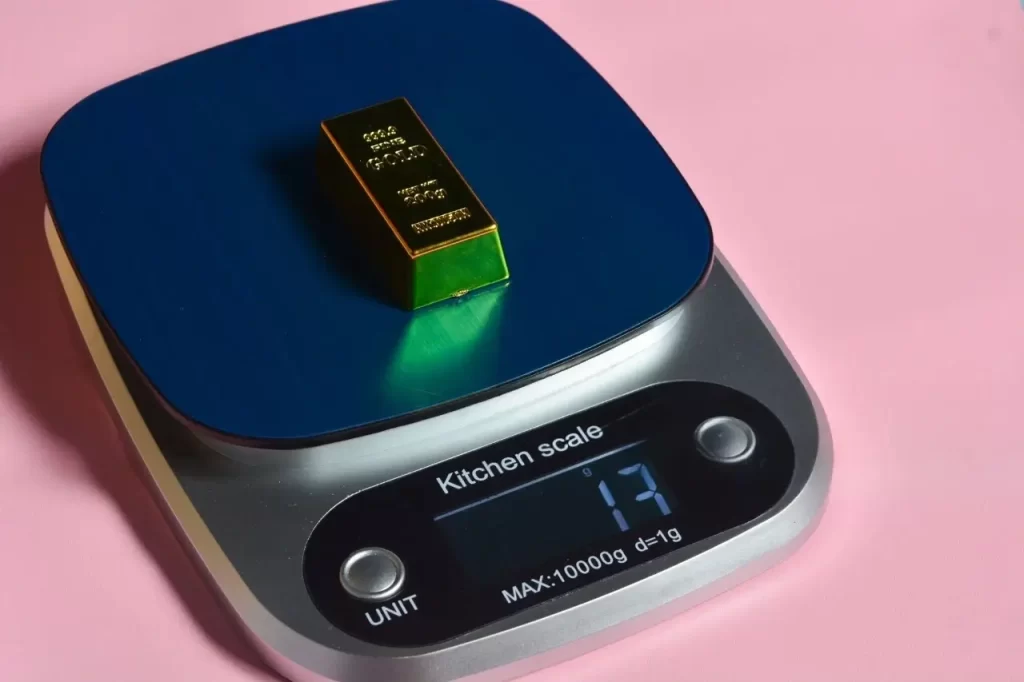
For small amounts, use a small container or dish. Tare the scale to exclude container weight. Add the ingredient carefully to avoid overshooting. Some scales can measure in grams or ounces. Choose the smaller unit for better precision.
Credit: www.stuccler.com
Tips For Precision Cooking
Using a kitchen scale can greatly improve your cooking results. It helps you measure ingredients accurately. This ensures your dishes turn out just right every time. Here are some useful tips for precision cooking with a kitchen scale.
Consistency In Recipes
Measuring ingredients by weight keeps your recipes consistent. It removes guesswork from cooking and baking. Using a scale means you get the same taste and texture every time. This is especially helpful for baking, where precision is key.
Adjusting For Temperature And Humidity
Temperature and humidity affect ingredient weight and volume. Weighing ingredients helps you adjust amounts for these changes. For example, flour can weigh more in humid weather. A scale helps you use the right amount for perfect results.
Scaling Recipes Up Or Down
A kitchen scale makes it easy to change recipe sizes. Weigh ingredients to double or halve a recipe accurately. This avoids mistakes from using volume measurements. Scaling recipes by weight keeps the balance of flavors correct.
Maintaining Your Kitchen Scale
Maintaining your kitchen scale ensures it stays accurate and lasts longer. Proper care helps avoid errors and keeps your cooking precise. Small steps make a big difference in performance.
Cleaning And Storage
Wipe the scale with a soft, damp cloth after each use. Avoid harsh chemicals that can damage the surface. Remove any food crumbs or spills gently. Store the scale in a dry, cool place away from direct sunlight. Keep it flat or in its original box to prevent damage.
Troubleshooting Common Issues
Check the batteries if the scale does not turn on. Replace them regularly to avoid power problems. Reset the scale by turning it off and on again. Make sure the scale is on a flat, stable surface for accurate readings. Clean the sensors if the numbers seem off.
When To Replace Your Scale
Replace your scale if it shows inconsistent weights. If the screen is cracked or buttons don’t work, it’s time for a new one. A scale that fails to turn on after battery changes may be broken. Upgrade when accuracy becomes unreliable for your recipes.

Credit: www.youtube.com
Frequently Asked Questions
How Do I Calibrate A Kitchen Scale?
To calibrate, turn on your scale and find the calibration mode. Use a known weight, like a calibration weight or a common object. Follow the scale’s instructions to adjust the measurement. Regular calibration ensures accurate and reliable results in your cooking.
What Are The Benefits Of Using A Kitchen Scale?
A kitchen scale provides precise ingredient measurements, improving recipe accuracy. It helps control portion sizes and supports healthy eating habits. Using a scale reduces cooking errors and waste. It’s essential for baking and portion control, making meal preparation easier and more consistent.
Can I Use A Kitchen Scale For Liquids?
Yes, you can measure liquids using a kitchen scale. Place a container on the scale and use the tare function to zero the weight. Pour the liquid, and the scale will display the exact weight. This method is more accurate than using volume measurements.
How Do I Clean And Maintain A Kitchen Scale?
Clean your kitchen scale with a damp cloth and mild soap. Avoid submerging it in water or using harsh chemicals. Keep it dry and store it in a safe place. Regular maintenance extends the scale’s life and ensures accurate measurements.
Conclusion
Using a kitchen scale helps you cook with better accuracy. It saves time and reduces guesswork in recipes. You get consistent results every time you bake or cook. Small mistakes become less likely when you measure ingredients right. This tool works well for both beginners and experienced cooks.
Try using a kitchen scale in your next meal prep. It makes cooking easier and more enjoyable. Simple steps lead to better dishes and less food waste. Give it a try and see the difference yourself.